
Data center cleaning specialists · Reston, VA
Specialized Cleaning.
Documented Procedures.
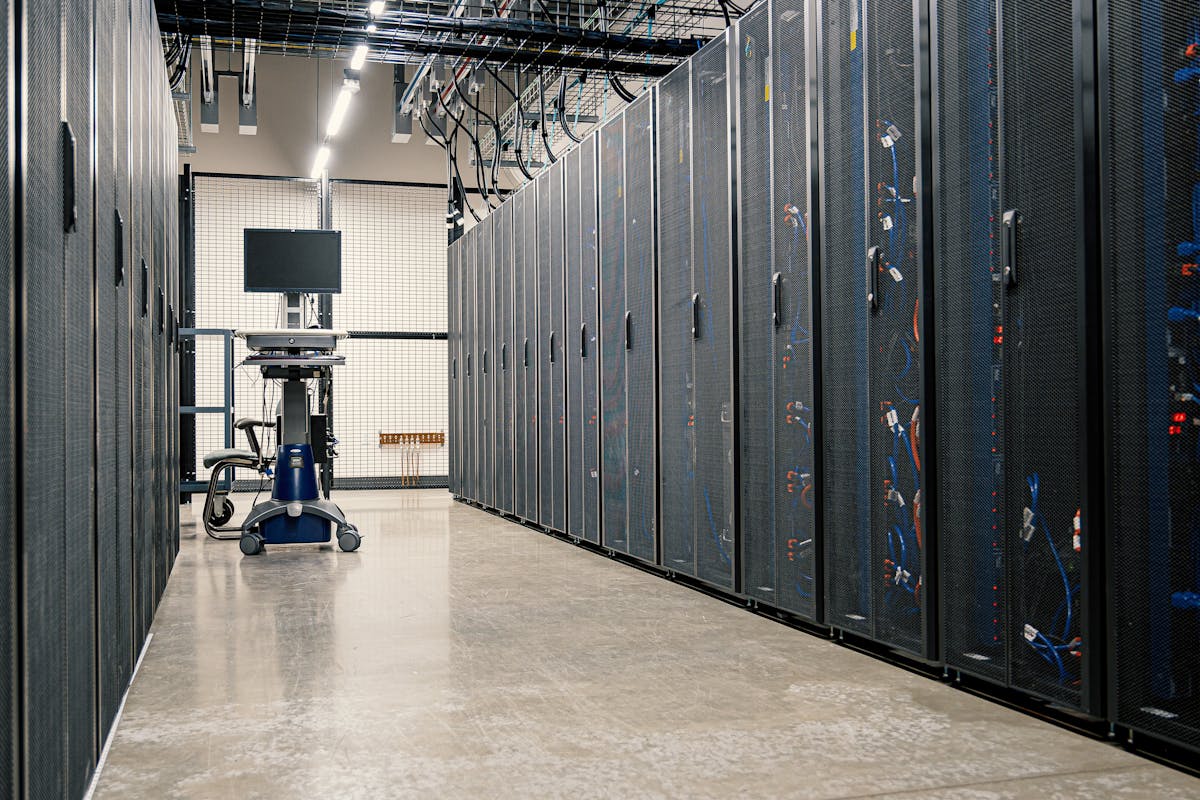
Precision cleaning for data centers, server rooms and other mission-critical spaces — planned around your operation, carried out to a written scope and measured against ISO 14644-1.
Who we are
Cleaning built for critical environments
General janitorial crews are not set up for rooms where equipment cannot be switched off, airflow matters and every contractor needs an escort. DMV Data Center Cleaning works only in those conditions — data halls, colocation suites, server rooms and the technical spaces around them.
- Methods chosen to capture particulate, not move it around
- Your site rules, access windows and change freezes come first
- Results you can show: reports, photos and particle counts
Services
Complete care for your critical spaces
From the overhead cable trays to the subfloor slab — each service with its own method and its own record.
 White-space and precision cleaning
Data Center Cleaning
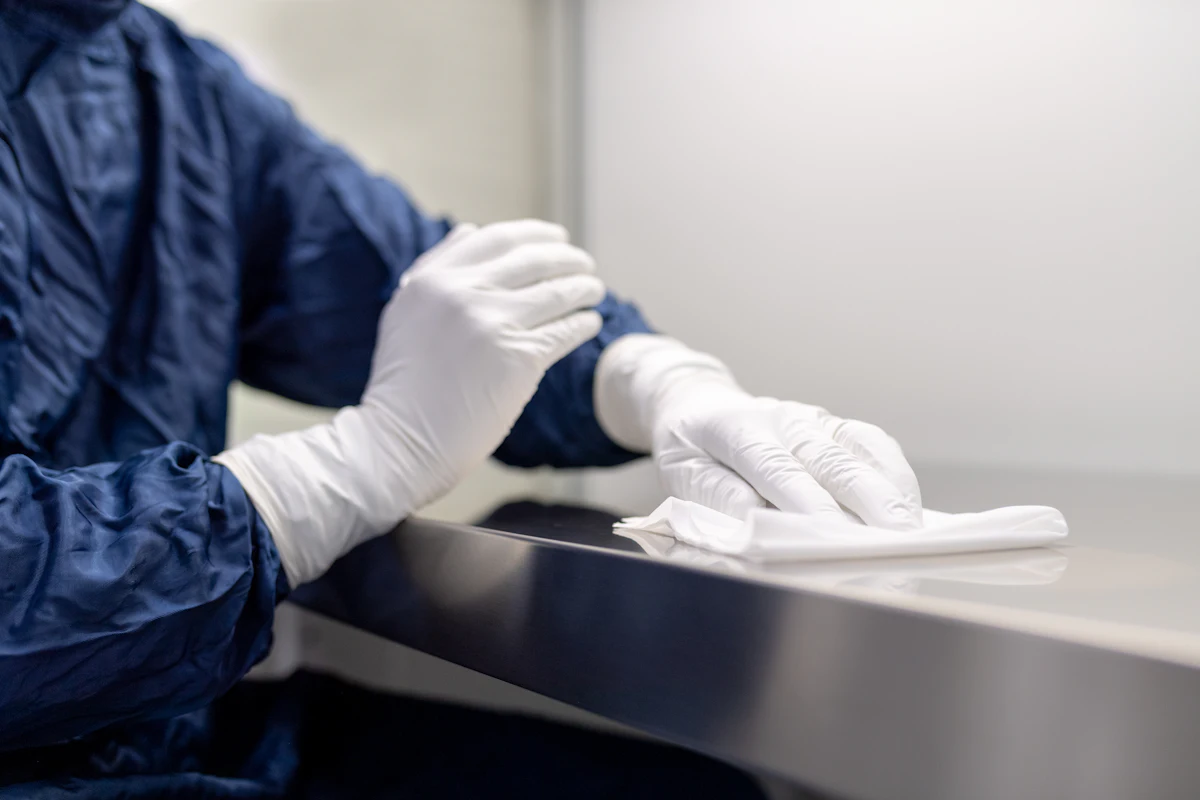
Planned cleaning of equipment rooms and white space: surfaces, cabinet exteriors and accessible areas, with controlled dust removal and a written record of the work.
Learn more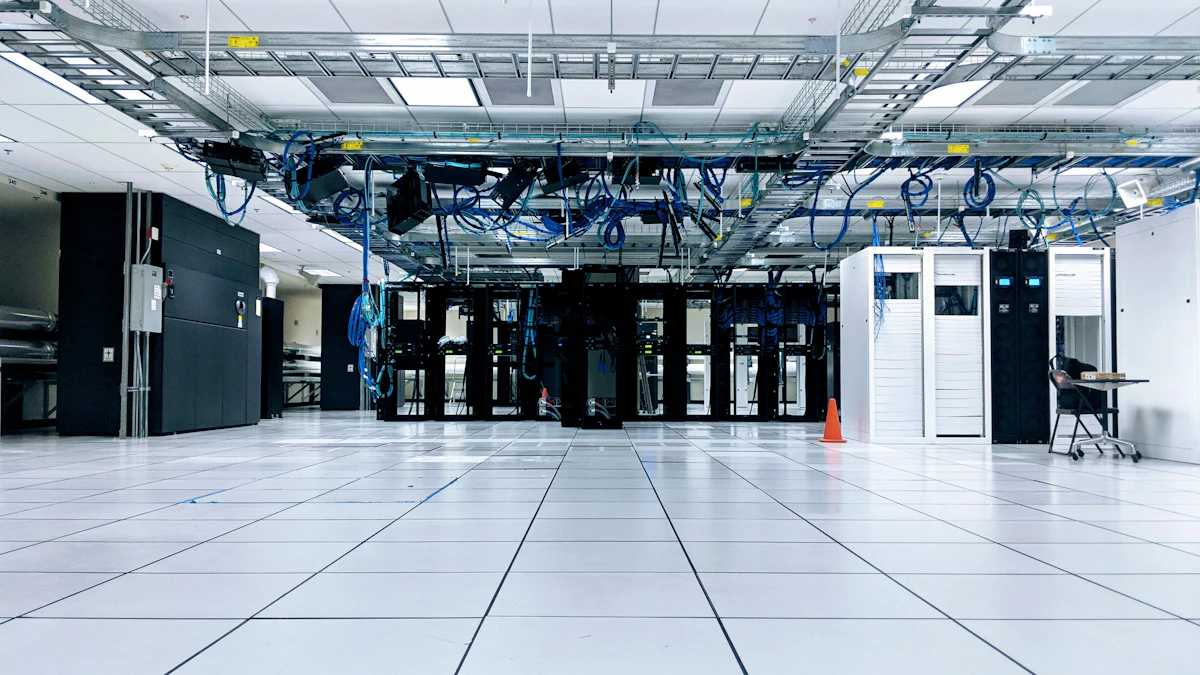 Floor tiles and approved subfloor areas
Raised-Floor Cleaning
Cleaning of raised-floor tile surfaces and, where approved, the underfloor space — planned so airflow and cabling are disturbed as little as possible.
Learn more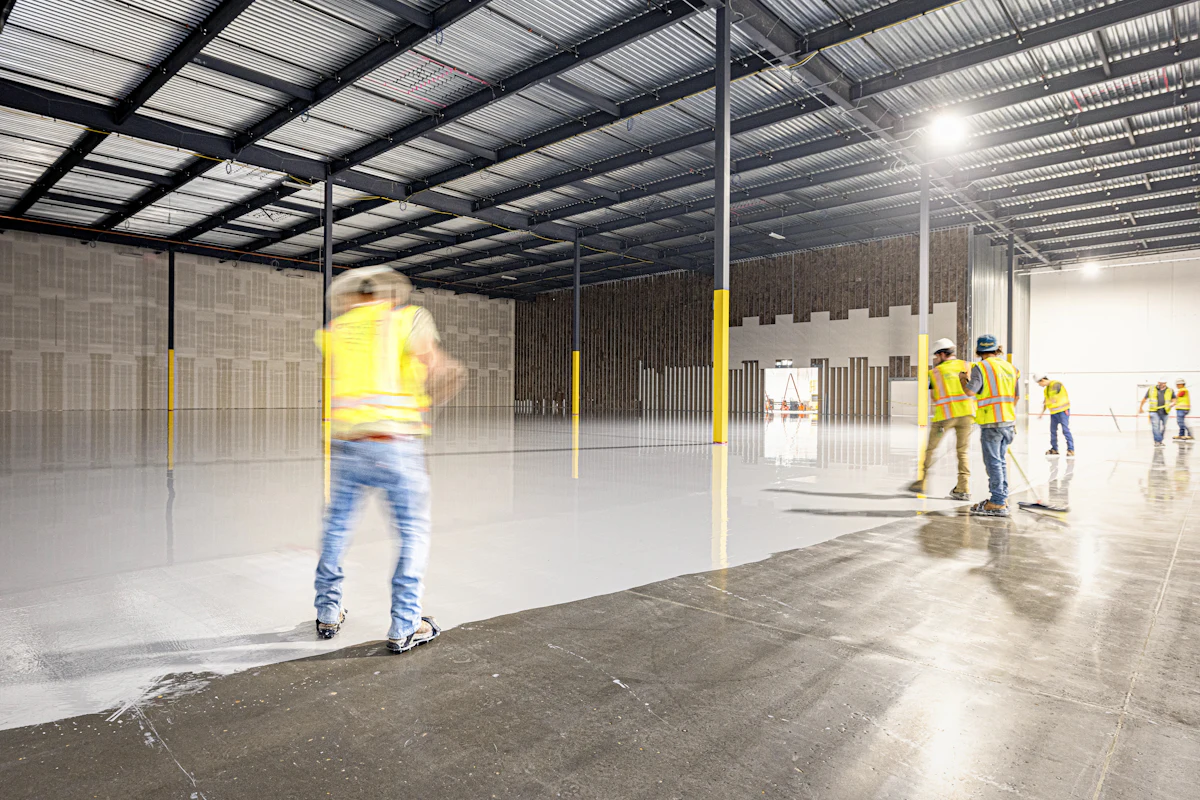 Construction and commissioning cleanup
Post-Construction Cleaning
Removal of construction dust and debris after a build-out, expansion or renovation, staged so a space is ready for commissioning and equipment installation.
Learn more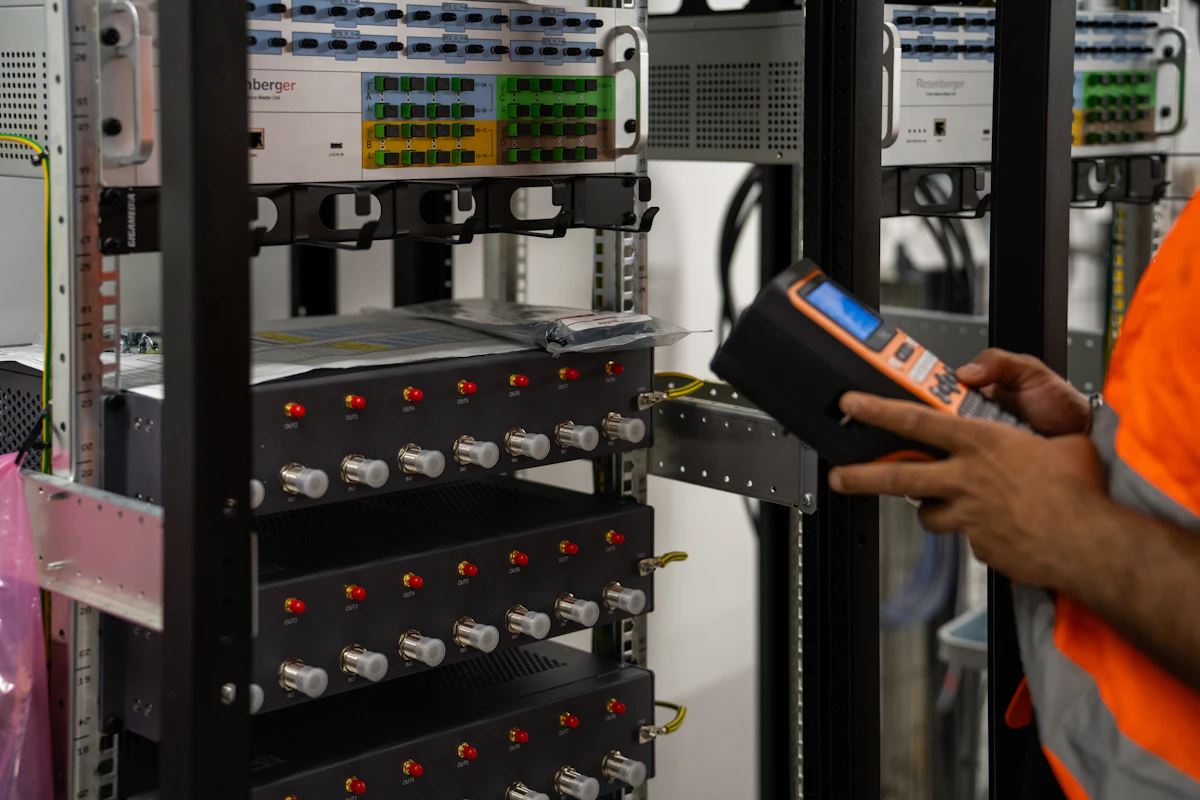 Measured, not guessed
Particle Testing & Site Assessment
Airborne particle counts with a laser particle counter, reported against ISO 14644-1 cleanliness classes, plus a walk-through of surfaces, subfloor and overhead areas.
Learn more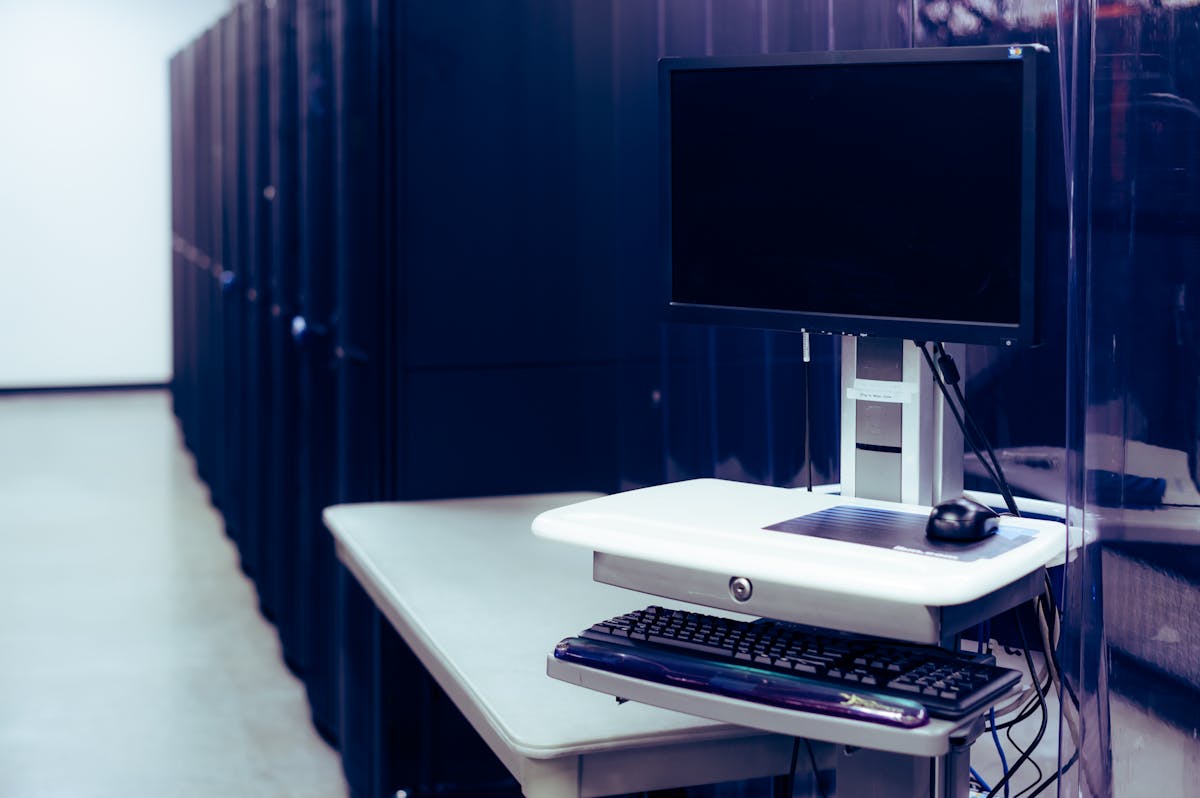 Conductive contamination
Zinc Whisker Inspection & Remediation
Inspection of galvanized floor pedestals, tile undersides and ceiling grid for zinc whiskers, and controlled removal where they are found.
Learn more Above the equipment
Overhead & Plenum Cleaning
Cable trays, ladder racks, ceiling plenums, light fixtures and duct exteriors above the white space — the dust that falls into everything below.
Learn moreContamination you cannot see
The dust that matters is measured in microns
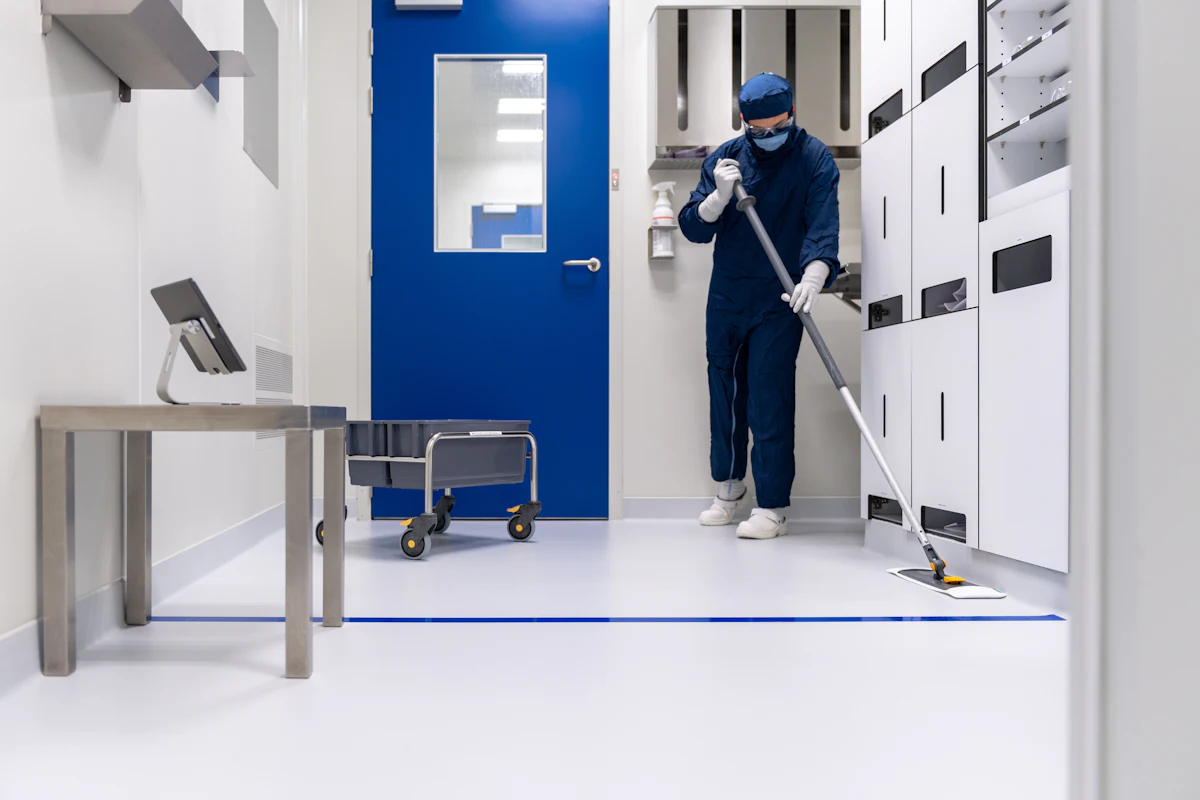
Particles small enough to pass through a standard vacuum settle on heat sinks, clog filters and — with humidity — can turn conductive. We count them with a laser particle counter and capture them with HEPA-filtered, ESD-safe equipment.
Particle testing & site assessmentHow big is a micron?
One micron (µm) is a thousandth of a millimetre. The particles that damage equipment are far below what the eye can see — which is why we measure them.
Measured, not guessed
Results you can measure — and show your auditors.
- 0.3–5.0 µm
- Laser particle counts before and after cleaning
- ISO Class 8
- The cleanliness target most hardware makers specify
- 99.97%
- Of 0.3 µm particles captured by HEPA filtration
- Every visit
- Documented with a written service report
Industries
Facilities we serve
Any space where uptime depends on clean air and clean equipment.
Hyperscale & cloud
Large data halls on scheduled programs, including the Dulles and Ashburn corridor.
Colocation
Shared halls and customer suites cleaned around tenants, escorts and access rules.
Enterprise data centers
Corporate server rooms and on-premise data centers that keep the business running.
Telecom & edge
Network hubs, head-ends, MDF/IDF closets and edge sites across the region.
Government & education
Agency, university and school district equipment rooms with strict access procedures.
Healthcare & labs
Hospital IT rooms and laboratory equipment spaces where contamination control matters.
How we work
The same four steps on every job
A facility team should know what will be done in its space before anyone arrives, and have a record of it afterwards.
- 01
Walkthrough
We see the space with your team and note zones, access, restrictions and maintenance windows.
- 02
Written scope
You approve a scope of work: what is cleaned, how, when, and what is left alone.
- 03
Clean by zone
The crew works zone by zone, top to bottom, from a checklist, under your site rules.
- 04
Report and sign-off
A walkthrough with your team and a service report recording the work and any findings.
Testimonials
What our clients say
"Zero downtime, pristine results." "Cleaning live, high-density server racks requires a massive amount of trust. This team demonstrated absolute precision. They dusted our live infrastructure with zero disruption to our active workloads."
"Incredible attention to detail." "The team handled our sub-floor plenum cleaning flawlessly. They completely eliminated the zinc whiskers and micro-particles that were threatening our airflow, all without causing a single blip in our environment. Highly recommended!"
Service area
Serving the DMV
Based in Reston, Virginia — minutes from the Dulles data center corridor — and working across Northern Virginia, Washington, DC and Maryland.
See where we workInsights
Latest from the blog
Maintenance · October 20, 2026
How Often Should a Data Center Be Cleaned?
A practical cleaning schedule for data halls, subfloors and overhead areas — and how particle counts tell you whether the interval is right.
Read articleStandards · October 14, 2026
ISO 14644-1 Class 8, Explained for Data Center Managers
What the ISO 14644-1 cleanliness classes measure, why Class 8 is the usual target for data centers, and how a particle count is carried out.
Read article
Contamination · October 7, 2026
Zinc Whiskers: What They Are and How to Find Them
Zinc whiskers grow from some electroplated steel used in older raised floors and ceiling grids. Here is where to look and what to do if you find them.
Read articleFAQ
Common questions
How often should a data center be cleaned?
Most facilities combine an initial deep clean with a recurring program: high-traffic white space monthly or quarterly, and the subfloor and overhead areas once or twice a year. Particle counts show whether the interval is right for your room.
Can you clean while our equipment is running?
Yes. The work is planned for a live environment: only exterior surfaces are cleaned, energized components are never touched, and nothing is unplugged, moved or re-routed. Visits are scheduled around your maintenance windows.
What is ISO 14644-1 Class 8?
ISO 14644-1 classifies rooms by the concentration of airborne particles. Class 8 is the level most hardware makers ask data centers to meet. A laser particle counter measures the room against it before and after cleaning.
Why not use an ordinary vacuum?
A standard vacuum exhausts fine dust back into the air and its hose can build up static. We use HEPA-filtered, ESD-safe vacuums that capture particles down to 0.3 µm and dissipate charge safely.
What areas do you serve?
Northern Virginia (including Ashburn, Sterling, Manassas and Reston), Washington, DC and Maryland (including Rockville, Gaithersburg and Frederick).
How do I pay?
After the work, you receive an invoice by email with a secure link to pay by card online. Your account on this site lists your quote requests and invoices.
Discuss your facility’s requirements
Tell us about the space, the scope you have in mind and your access windows. We will come back with questions, a walkthrough date or a proposal.